
- You get by thinking one move at a time
- The puzzle rating climbs but the games don't change
- You see the blunder one move too late
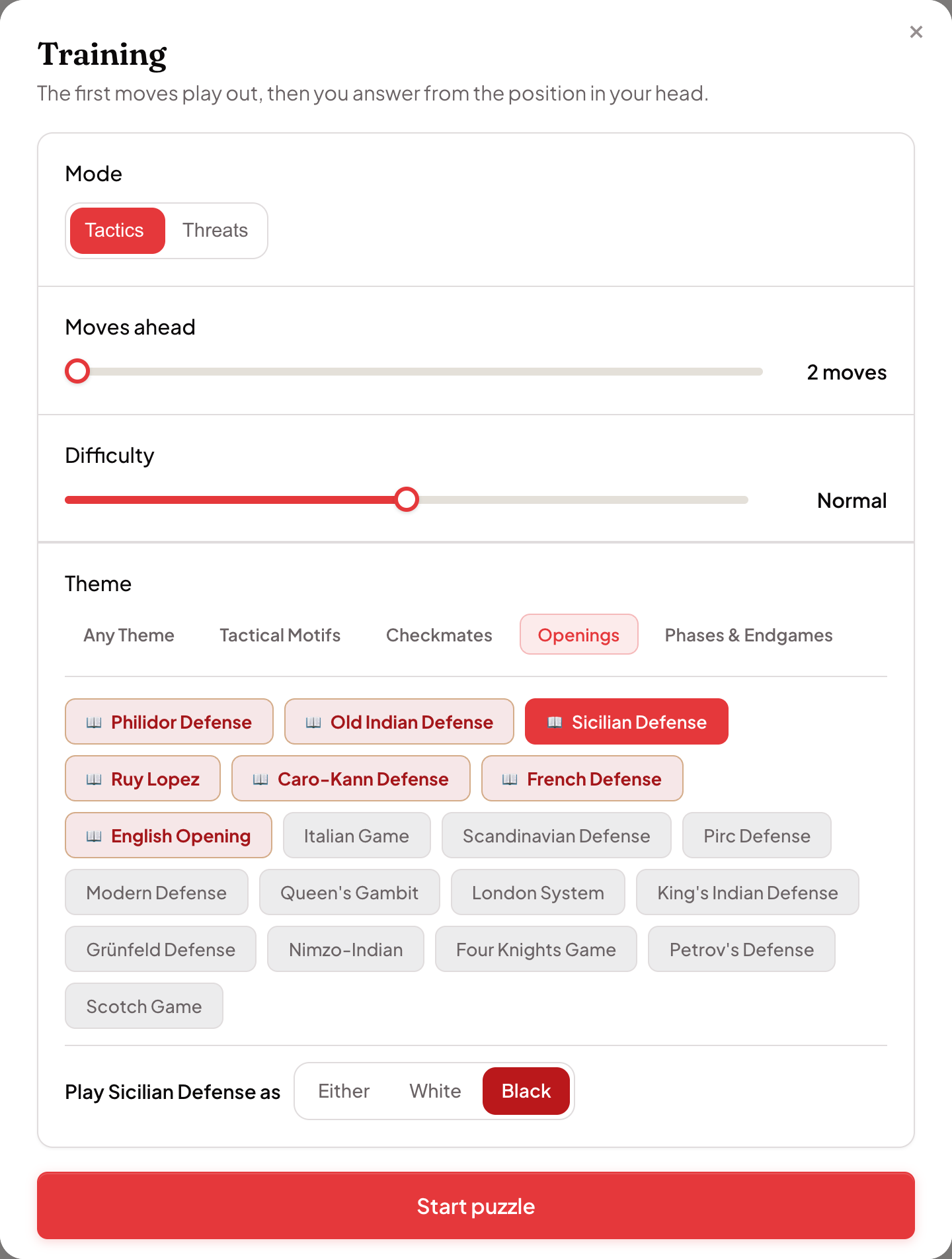
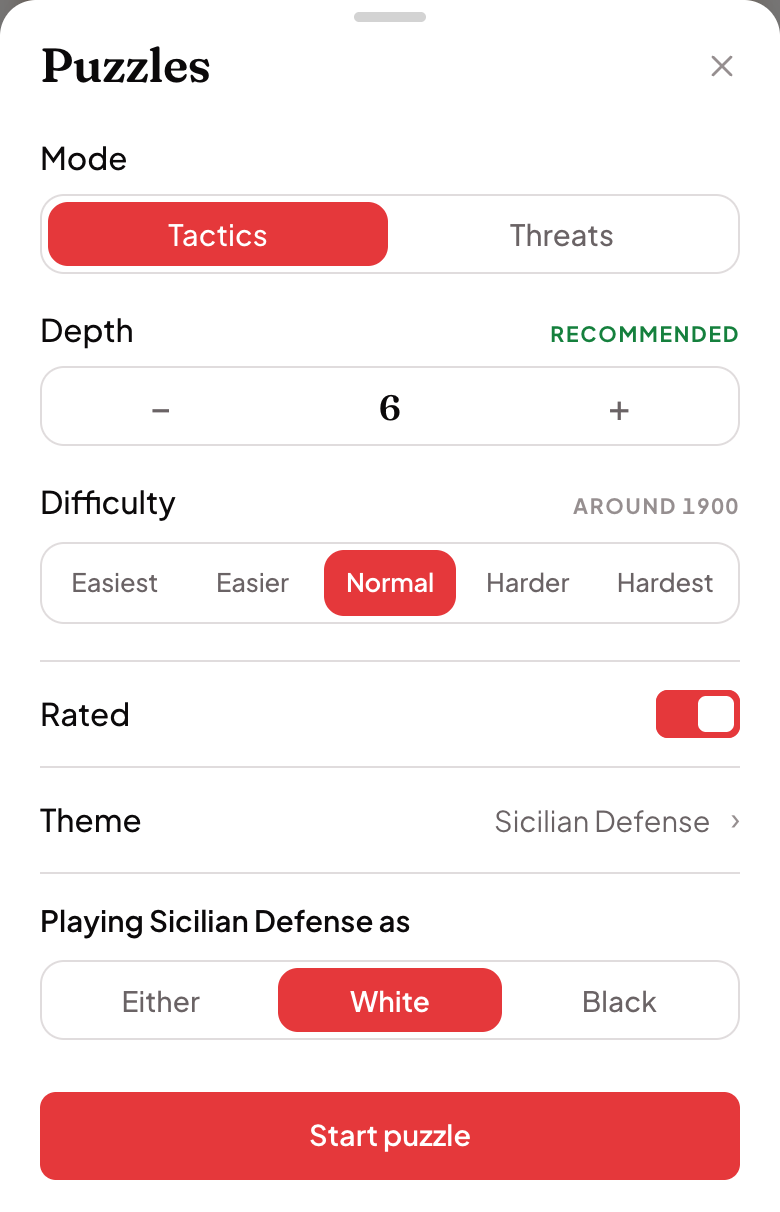
Puzzles where the board freezes. Visualize the moves and find the win.
Built for your phone.
Nothing is cut down for the small screen. Add it to your home screen and it opens like an app.
Out of 100. Guess which one you've been studying.
They land as arrows, one by one.
It changes only in your head.
From the visualized position.
Peekchess
Chess.com and Lichess show you the moves and stop. You get a tick, and no idea what made the line work.
Peek AI writes the line out move by move while you wait, and every move it names is checked against Stockfish and Maia first. An answer that fails the check never reaches you.
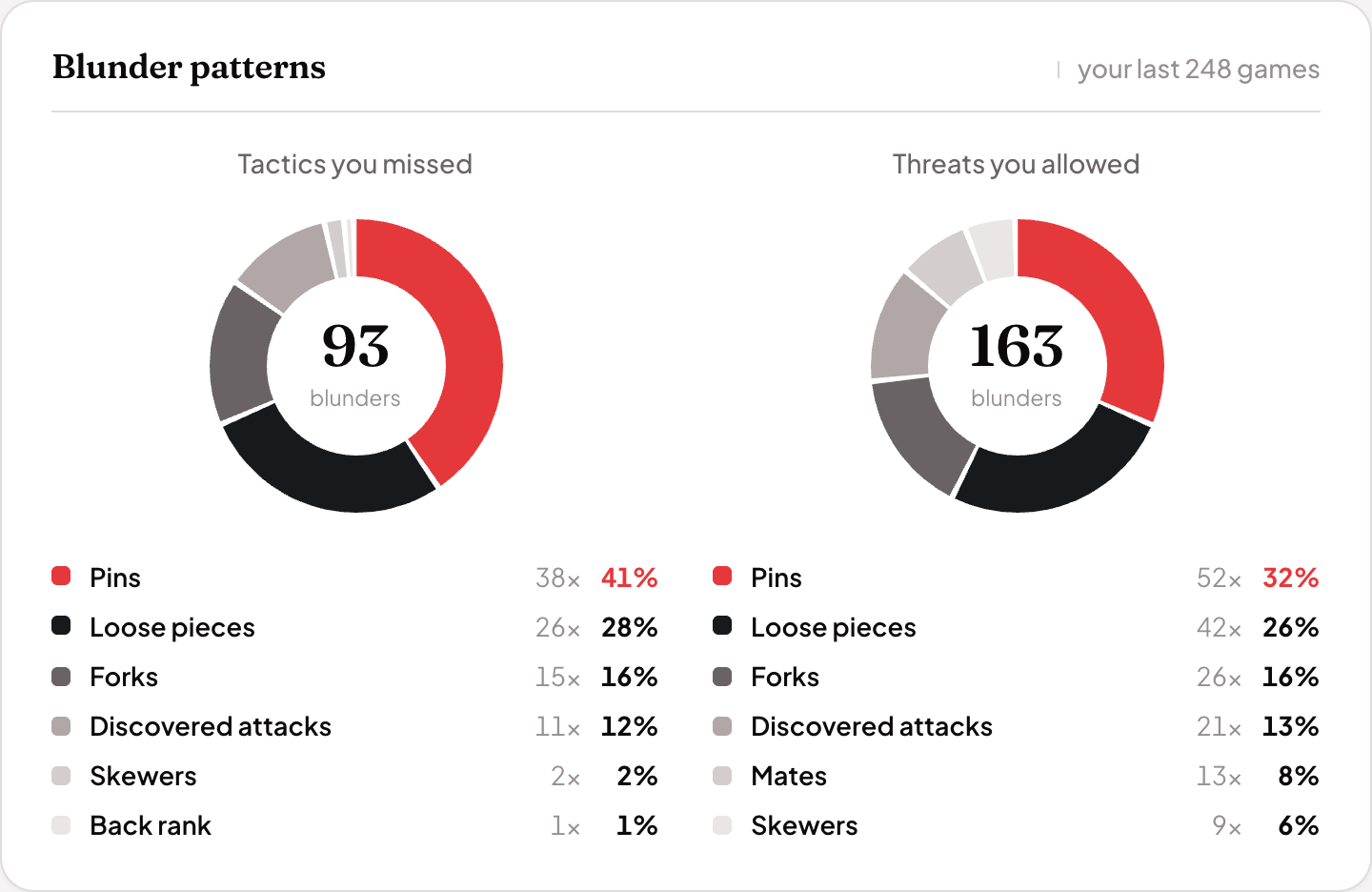
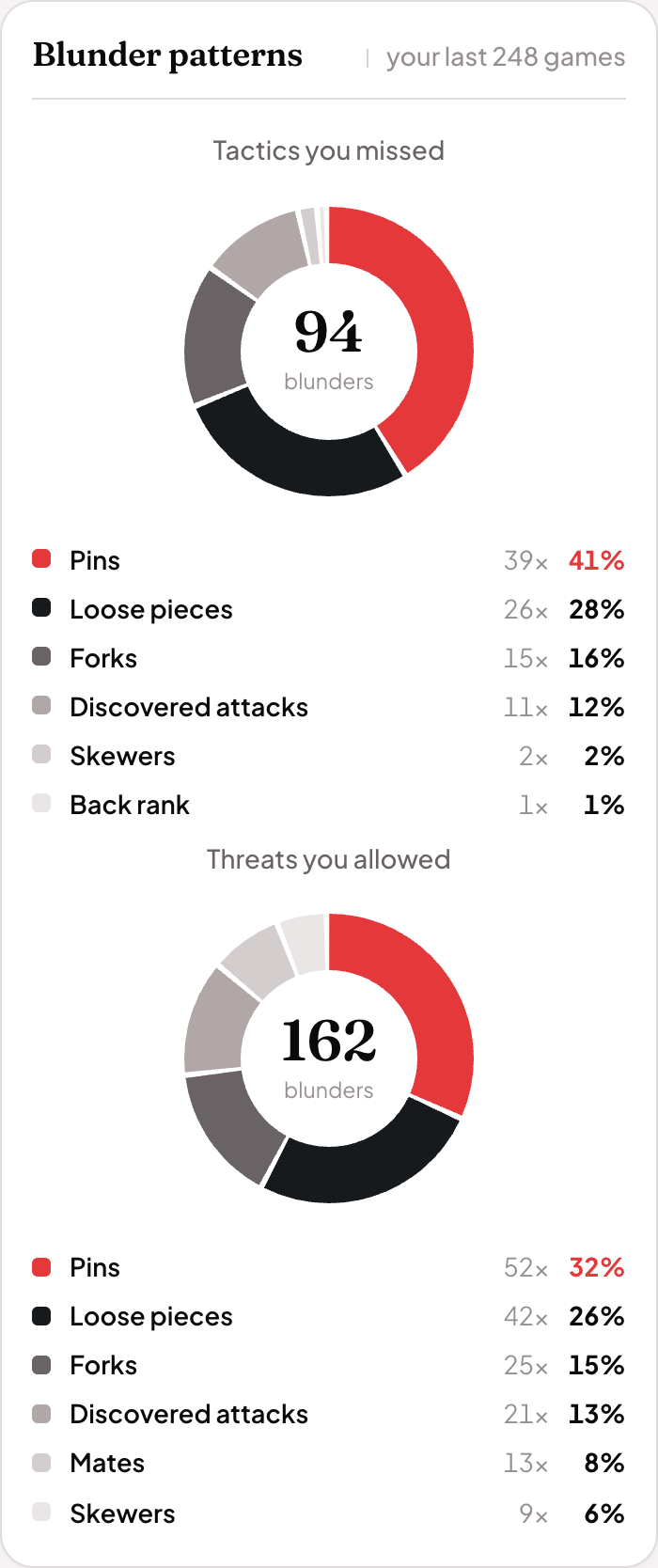
We read this year's games, up to 250.
An engine checks every move.
Aimed at what you keep missing.
Every puzzle you've solved was from your side of the board.
Never once from theirs.
Threat mode asks the other question: not what you can win, but what they're about to do to you.
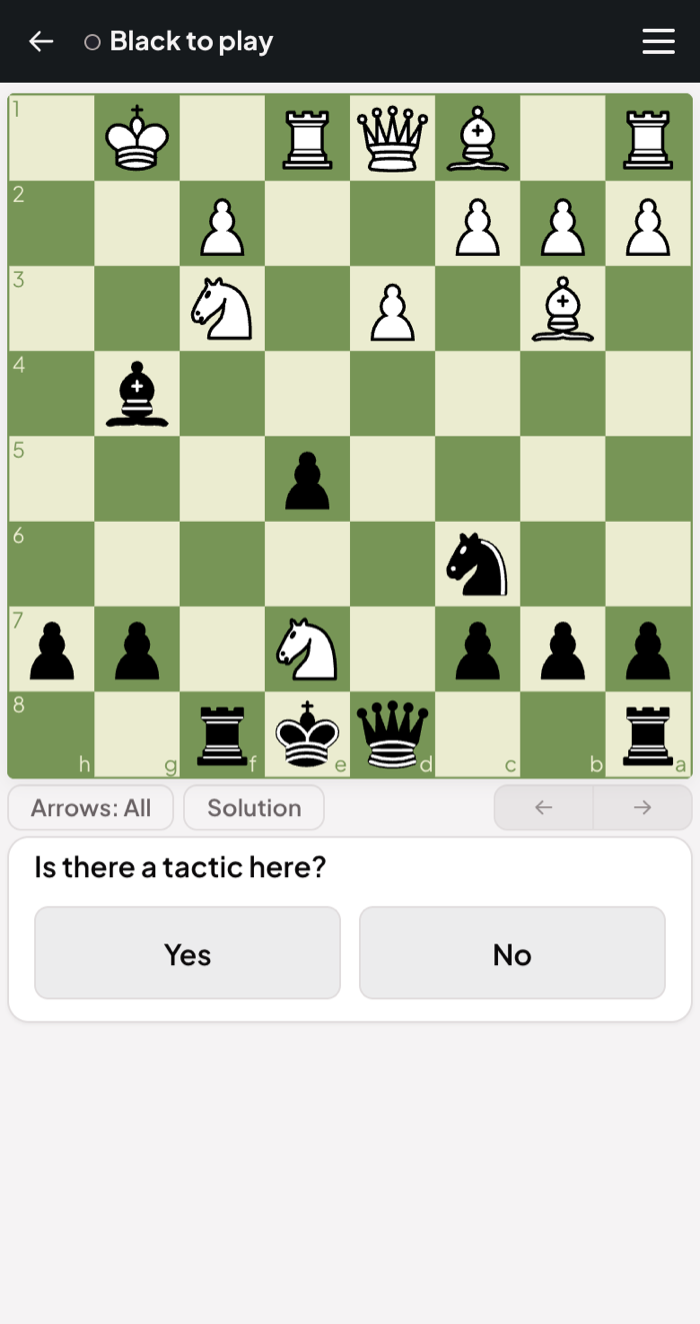
Is there a tactic here, or nothing at all?
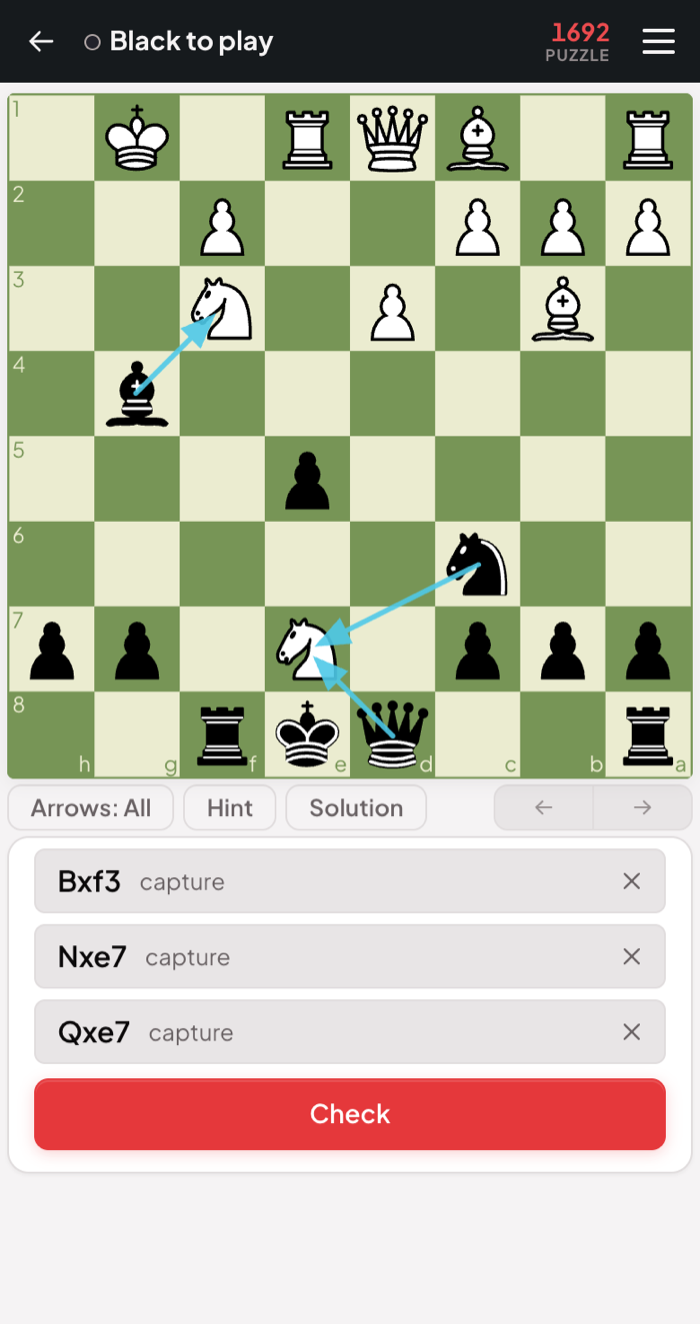
Checks, captures and threats, not everything.
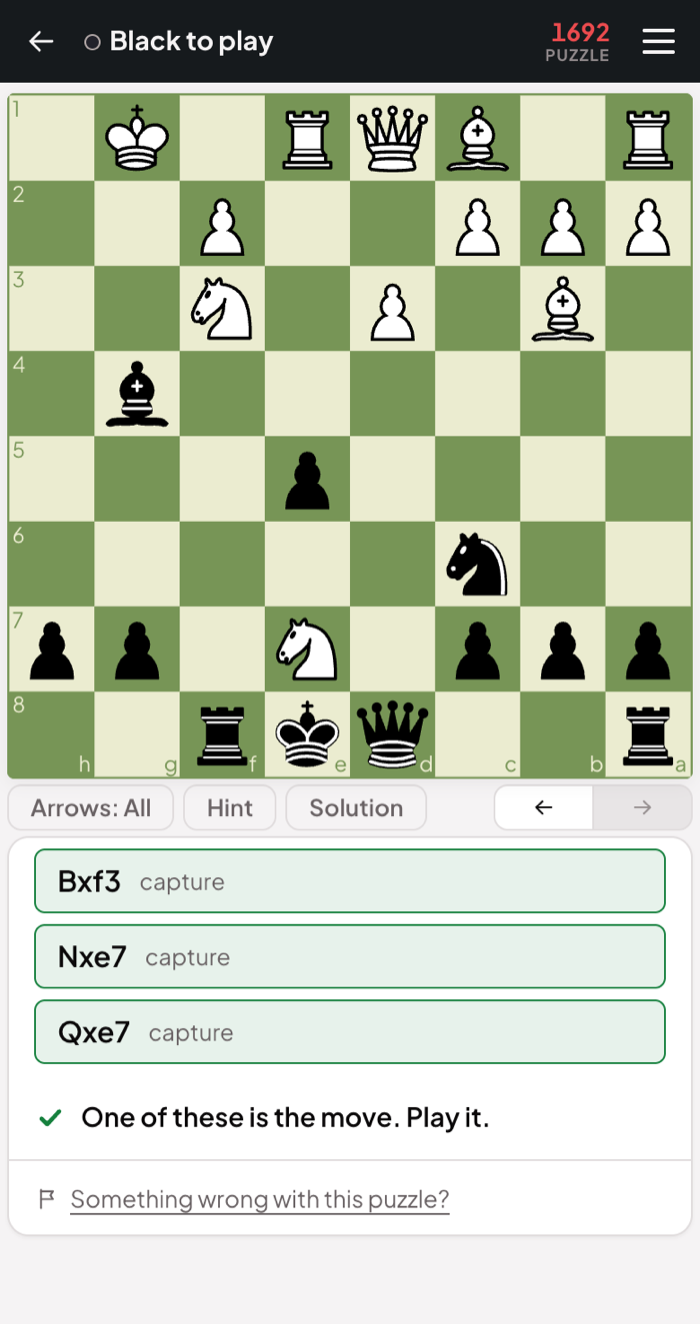
Play each one out. The pieces don't move.
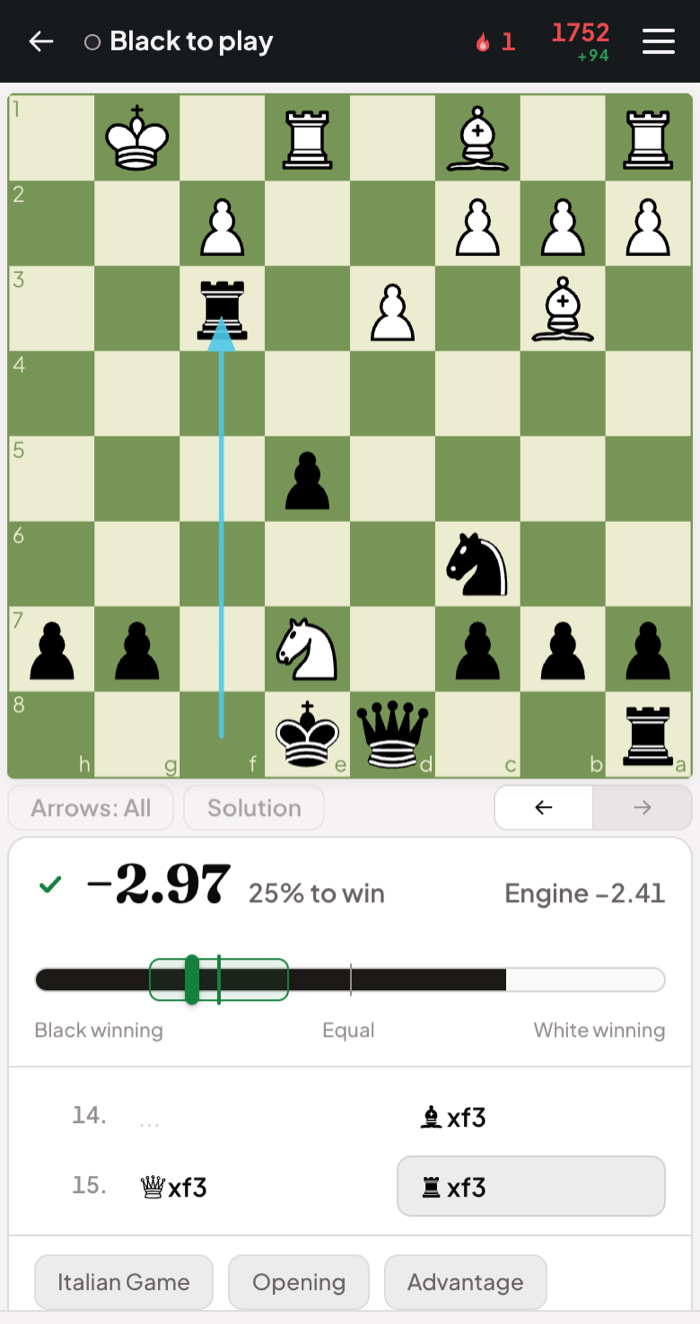
Your line ends here. Say how the position stands.
Every reply here is checked by Maia 3, a neural network trained on millions of human games. Puzzle lines, by contrast, are defended by an engine, so they hang on moves nobody at your level would find.
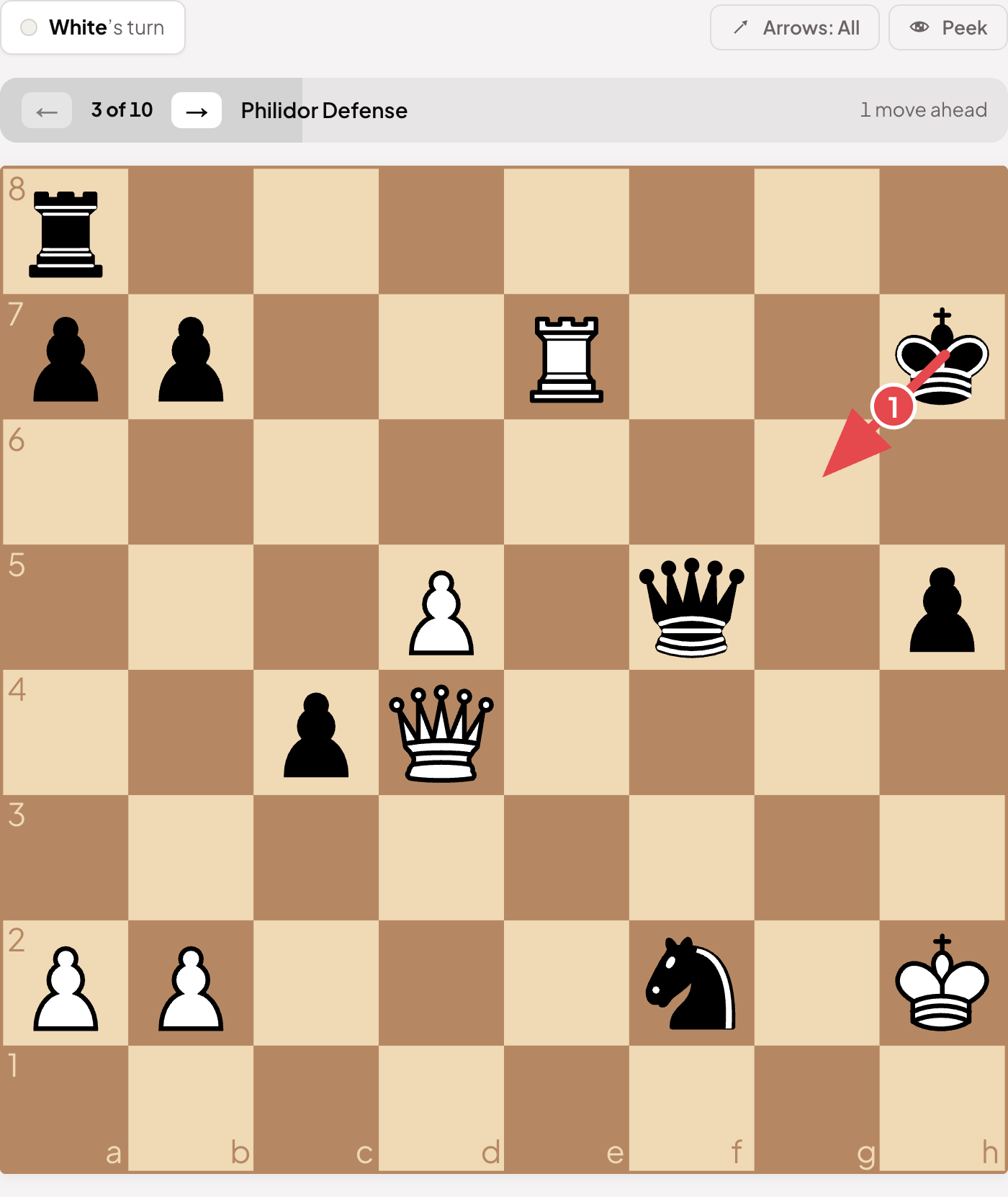
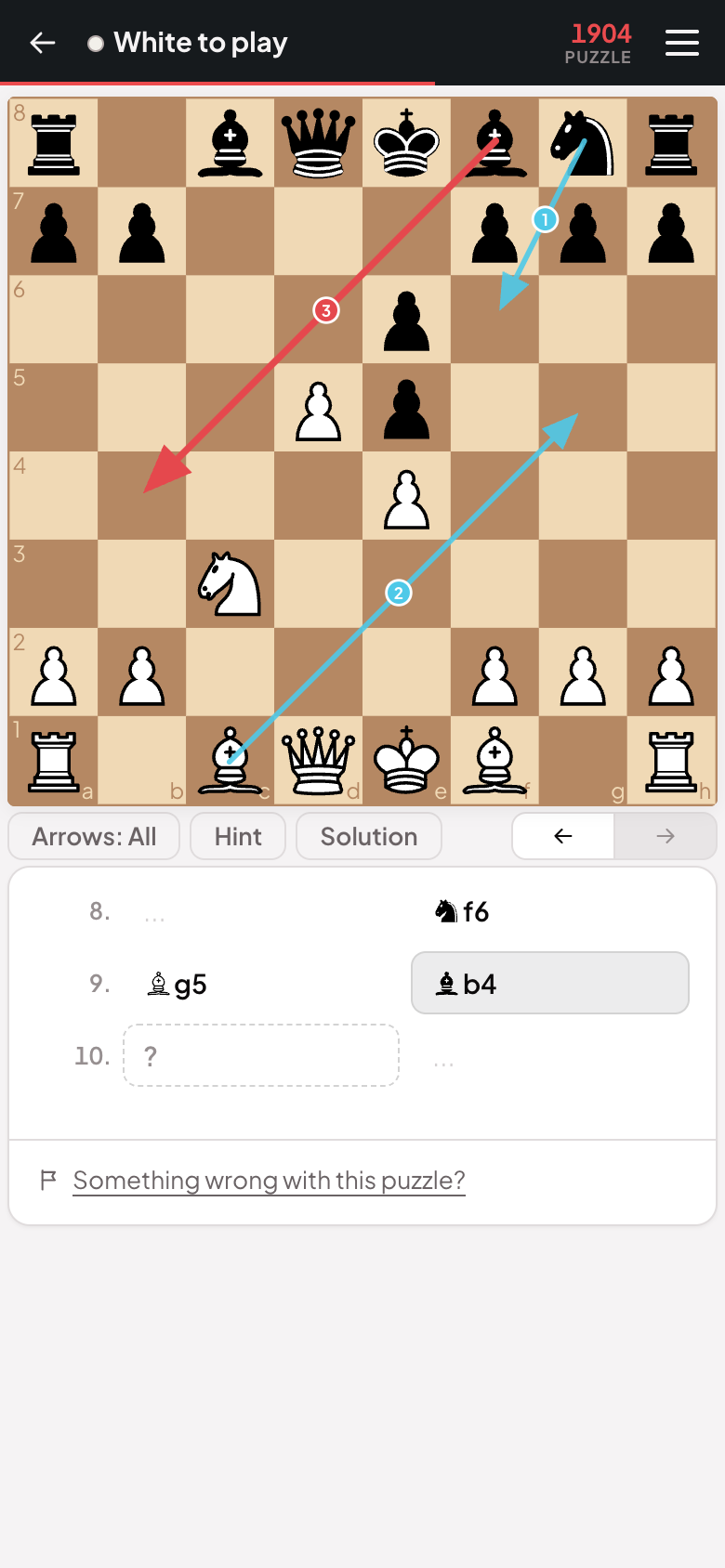
The phase you're worst in, the patterns you walk into.
The ones you actually play, from your side.
Ten puzzles, one sitting, wherever you are.
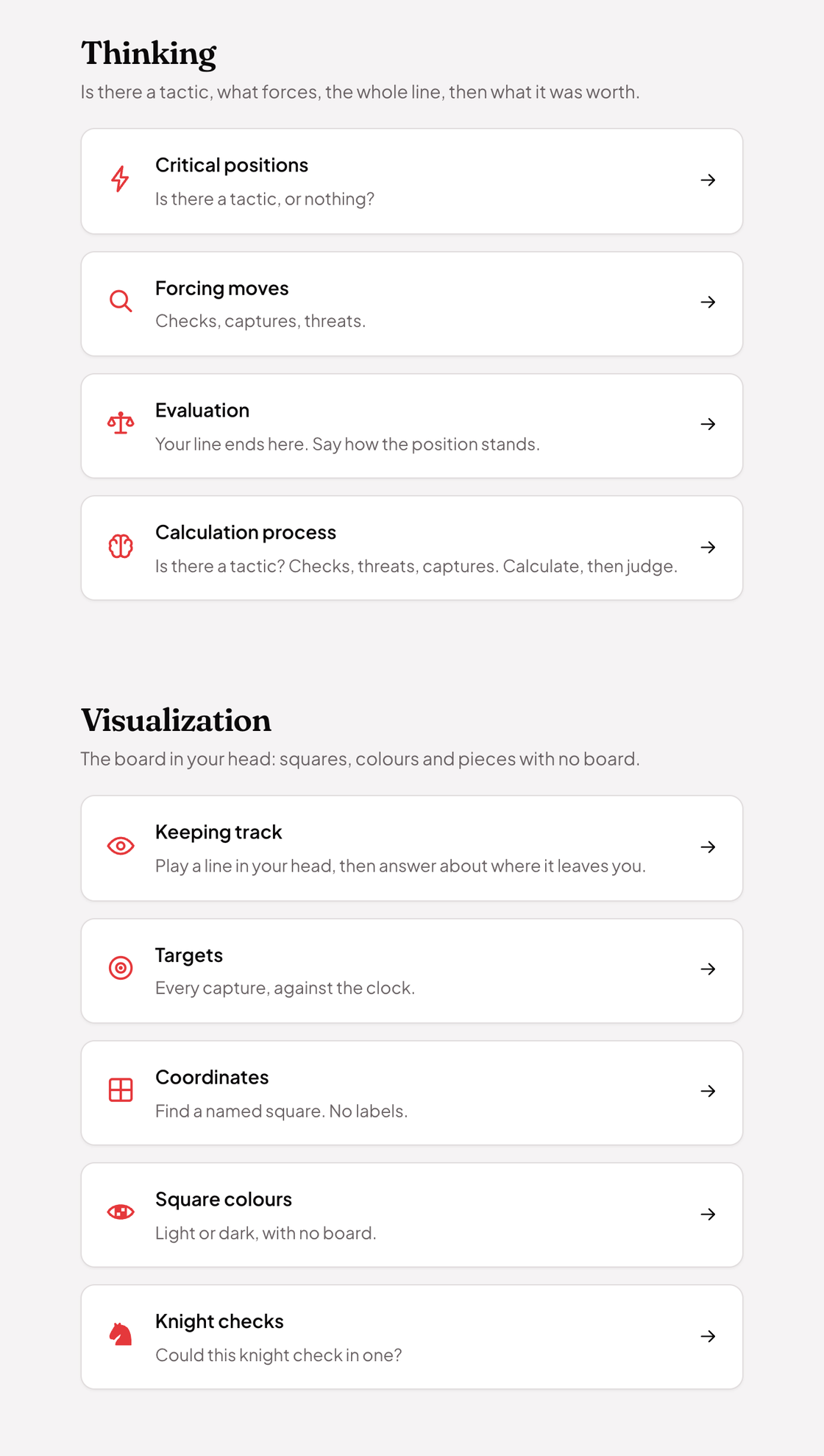
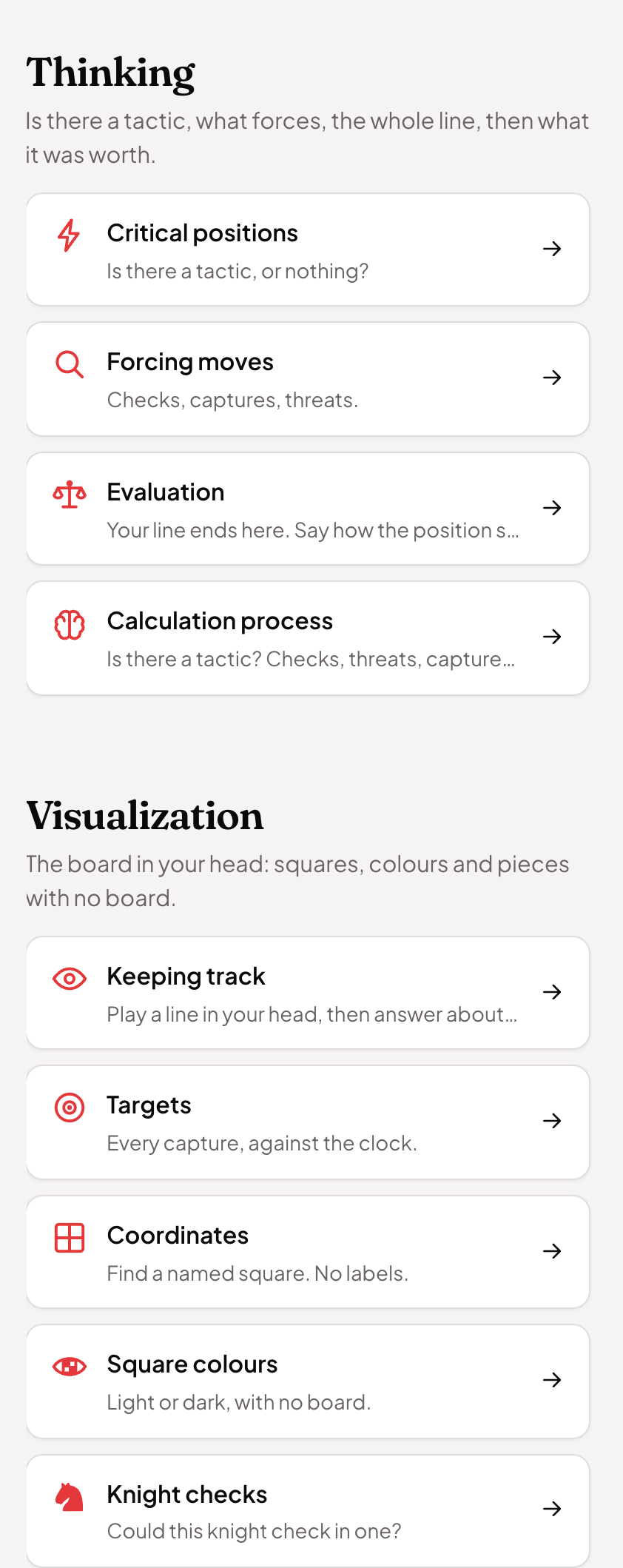
The lesson works on your mistakes. The drills work on what causes them. All nine open from day one.
14 years of coaching players out of exactly these mistakes.

Daniel Kozusek
FIDE Master · Chess coach
4× Welsh champion. Welsh team at the 2024 Chess Olympiad.